

August 19, 2026
Plastic pellet storage best practices have a direct impact on material quality, inventory control, production uptime, and operating costs. In plastics manufacturing, storage is not just about holding material. It is about making sure resin moves reliably, stays clean, and is available when production needs it.
When storage is not properly matched to the product and the process, problems can show up quickly. Pellets can be exposed to contamination, refill cycles can become inefficient, material flow can turn inconsistent, and production teams can spend valuable time solving problems that should have been addressed during system planning.
At Imperial Industries, plastic pellet storage starts with understanding the customer’s product, process, layout, and inventory goals. That is what helps determine the right silo design, capacity, fill method, discharge approach, and level of customization for the application.
In this article, we will cover the most important plastic pellet storage best practices, the planning factors manufacturers should evaluate early, and how a more customized approach can help reduce waste, contamination, and costly production issues.
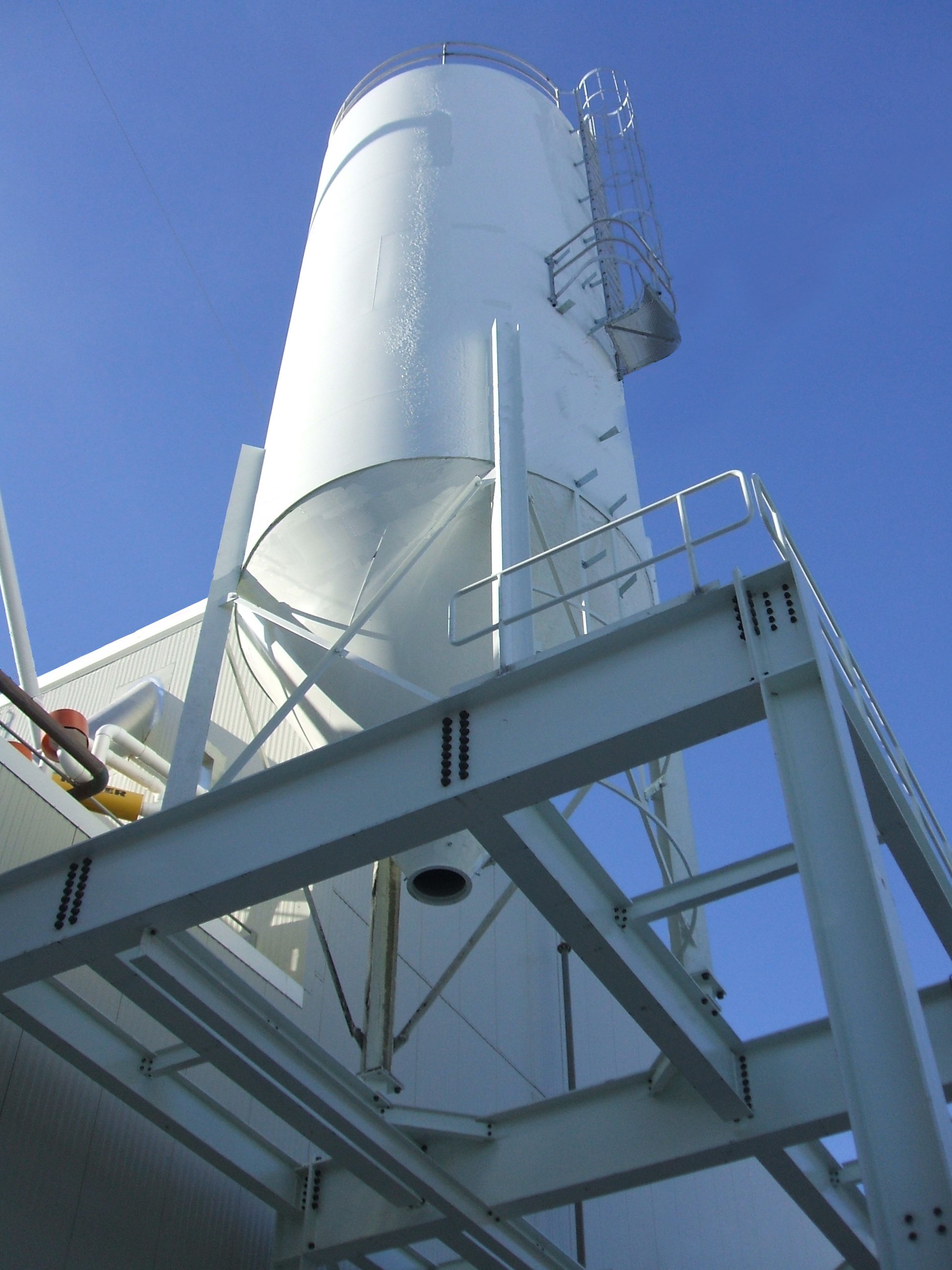 Why Plastic Pellet Storage Starts With Understanding the Product
One of the most important things manufacturers can understand about plastic pellet storage is that not every product behaves the same way. Virgin pellets may flow relatively easily, but regrind and other materials can behave very differently. That difference matters when designing a silo system that supports reliable discharge and long-term production performance.
Before a storage system is specified, facilities should have a clear understanding of:
- The type of material being stored
- How the product flows
- The product’s bulk density
- Whether the facility is storing pellets, regrind, or multiple materials
- How sensitive the material is to contamination or moisture
These details directly affect silo design. If the material is not fully understood at the start, the storage system may be sized correctly but still fall short in real operating conditions.
Plastic Pellet Storage Best Practices for Better Performance and Less Waste
1. Size the Silo Around Storage Volume and Material Use
Capacity matters, but capacity alone is not enough. To choose the right plastic pellet storage silo, manufacturers need to understand how much material they want to store, how often the silo will be refilled, and how rapidly the product is used in production.
A better planning process includes questions such as:
- How much product should be stored on site?
- What is the expected refill frequency?
- How quickly is the material consumed?
- Are usage rates steady or do they fluctuate by shift, line, or season?
- Is future growth likely to increase storage demand?
These factors help determine whether a facility needs a larger reserve, a more compact design, or a storage approach that better supports the production schedule. A silo that is too small can create excessive refill demands. A silo that is poorly matched to actual use patterns can create inefficiencies, unnecessary handling, and avoidable operating costs.
2. Evaluate How Material Gets Into the Silo
How material reaches the silo is another critical part of storage design. Delivery and fill methods affect efficiency, cleanliness, and how well the overall system fits the facility.
Manufacturers should consider:
- Whether material is delivered by truck, rail, or another transfer method
- Pneumatic conveying requirements
- Fill-line location and routing
- Available site access and traffic flow
- How the fill system connects with the broader production layout
These details are often overlooked early, but they have a major effect on performance. A silo should not only hold material effectively. It should also fit the way the facility receives, transfers, and manages that material every day.
3. Design for Reliable Flow Based on the Actual Product
Plastic pellet storage works best when the silo is designed around the product’s true flow behavior. Standard designs may work well for one material and underperform for another. This becomes especially important when storing regrind or other products that do not flow as easily as standard pellets.
Reliable flow depends on factors such as:
- Product flow characteristics
- Bulk density
- Hopper and cone geometry
- Internal design details
- Fill behavior and loading patterns
- Integration with downstream conveying and process equipment
When these factors are properly evaluated, the silo is more likely to discharge consistently and support steady production. When they are ignored, facilities may end up dealing with bridging, inconsistent feed, operator intervention, and unplanned downtime.
4. Protect Resin From Contamination and Moisture
One of the most important plastic pellet storage best practices is keeping the product clean from delivery through discharge. Contamination can enter the system through loading points, access areas, venting components, maintenance activity, or poor housekeeping around transfer points.
To help protect resin quality:
- Keep fill and discharge points properly sealed
- Use well-designed covers and access points
- Maintain vents and related components
- Inspect for pathways where dust, moisture, or debris could enter
- Establish clear loading and maintenance procedures
- Keep surrounding handling areas clean and well managed
For plastics manufacturers, contamination is not a minor issue. It can affect material quality, downstream performance, finished product consistency, and cleanup demands across the plant.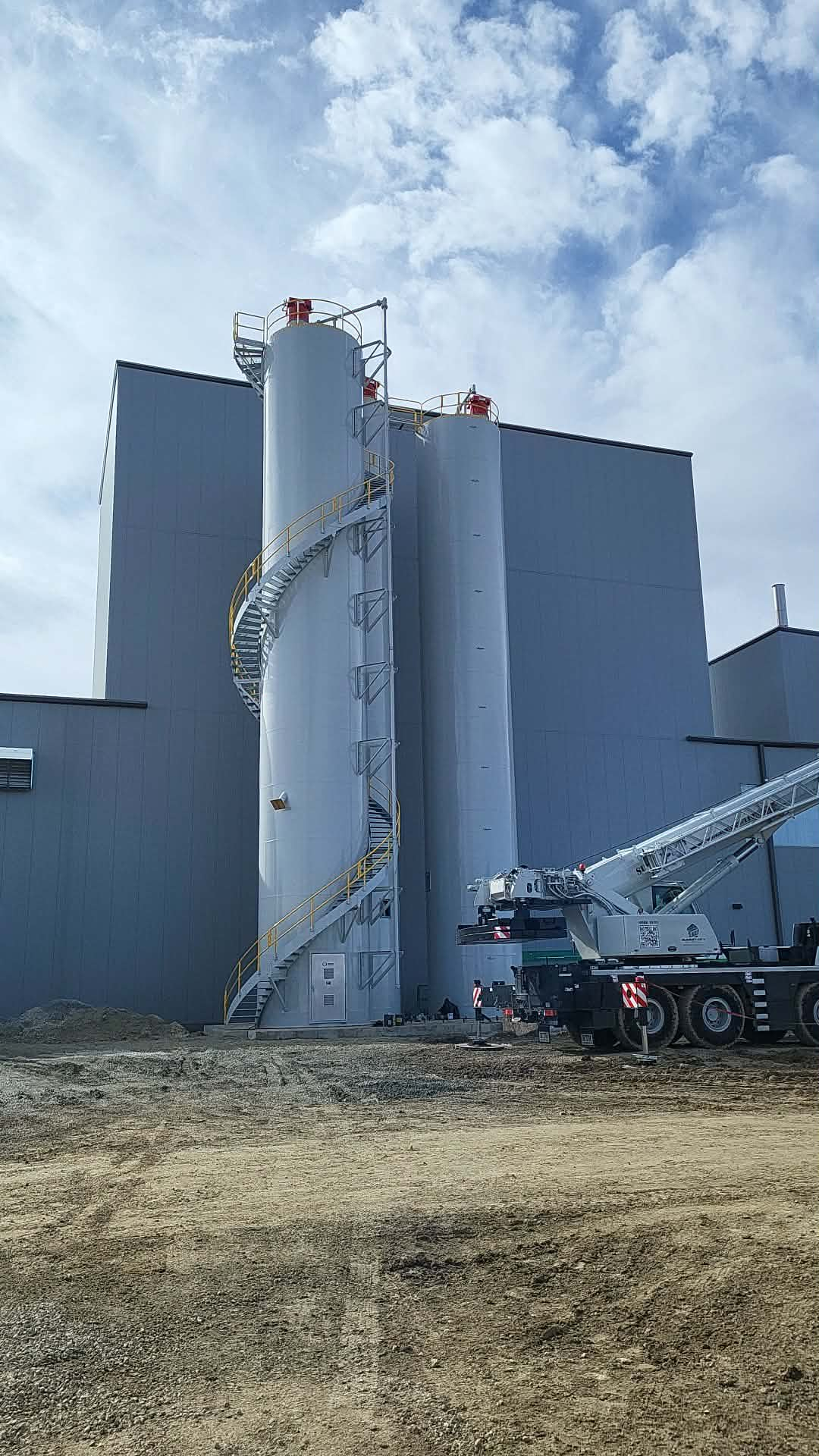
5. Plan for Inventory Management From the Start
Inventory management is another area that should be considered early in the storage planning process. Facilities need to know not only how much material they can store, but how they will track it, replenish it, and align it with production demand.
Depending on the operation, inventory control may be handled in different ways. The right approach depends on the product, the facility layout, the refill schedule, and how closely material availability needs to be monitored.
When inventory planning is built into silo selection, manufacturers are in a better position to:
- Avoid overfilling or understocking
- Improve refill timing
- Support more predictable production planning
- Reduce emergency deliveries and avoidable disruption
- Maintain better visibility into material usage
This is one reason silo design should be tied to the full operating process rather than treated as a standalone equipment purchase.
6. Account for Layout, Access, and Facility Constraints
A silo may look right on paper and still create challenges if it is not designed for the customer’s actual site conditions. Layout, footprint, access, surrounding equipment, and production flow all influence what will work best in the field.
Facilities should evaluate:
- Available installation footprint
- Building and equipment layout
- Site access for delivery and refill
- Traffic patterns around the storage area
- Integration with conveying and production systems
- Space for maintenance and inspection access
At Imperial Industries, this is where customization matters most. Plastic pellet storage systems are not treated as one-size-fits-all equipment. They are tailored to the customer’s function, layout, and inventory control needs so the silo supports the way the plant actually operates.
7. Build Maintenance and Long-Term Reliability Into the Plan
Storage performance depends on more than initial sizing and installation. Long-term reliability comes from a design that fits the product and the process, along with regular inspection and maintenance.
A practical maintenance plan should include checks of:
- Seals and access points
- Fill systems and connections
- Vents and vent-related components
- Discharge areas
- Structural condition of the silo and support system
- Signs of wear, buildup, or moisture intrusion
Well-built silos help facilities reduce avoidable maintenance issues over time. Imperial’s in-house fabrication approach and continuous weld construction support structural integrity and long-term reliability in demanding industrial environments.
Common Plastic Pellet Storage Mistakes to Avoid
Even experienced manufacturers can run into trouble when storage planning is rushed or based on assumptions instead of operating data. Common mistakes include:
- Choosing a silo based on capacity alone
- Assuming all plastic materials will flow the same way
- Overlooking the handling differences between pellets and regrind
- Failing to account for bulk density in the design process
- Ignoring refill frequency and rate of use
- Treating inventory control as an afterthought
- Selecting a standard design without considering layout and process fit
- Waiting too long to address wear, contamination risks, or flow issues
Avoiding these mistakes can help facilities reduce waste, improve uptime, and make better long-term storage decisions.
What Makes a Better Plastic Pellet Storage Partner
For many plastics manufacturers, the difference is not just the silo itself. It is the level of understanding behind the design. A strong storage partner should be able to evaluate the product, the process, the site layout, and the inventory requirements before recommending a solution.
A strong partner should bring:
- Experience with industrial bulk storage applications
- A clear understanding of material flow and density considerations
- Storage solutions built to your specifications
- In-house engineering and fabrication
- Structural integrity built for demanding environments
- Single-source accountability from design through fabrication
- Support beyond delivery when operational questions come up
Imperial Industries stands out by fully customizing plastic pellet storage silos to the customer’s product, layout, functional requirements, and inventory control needs. That approach helps customers move beyond generic storage and toward a solution that fits how their facility actually runs.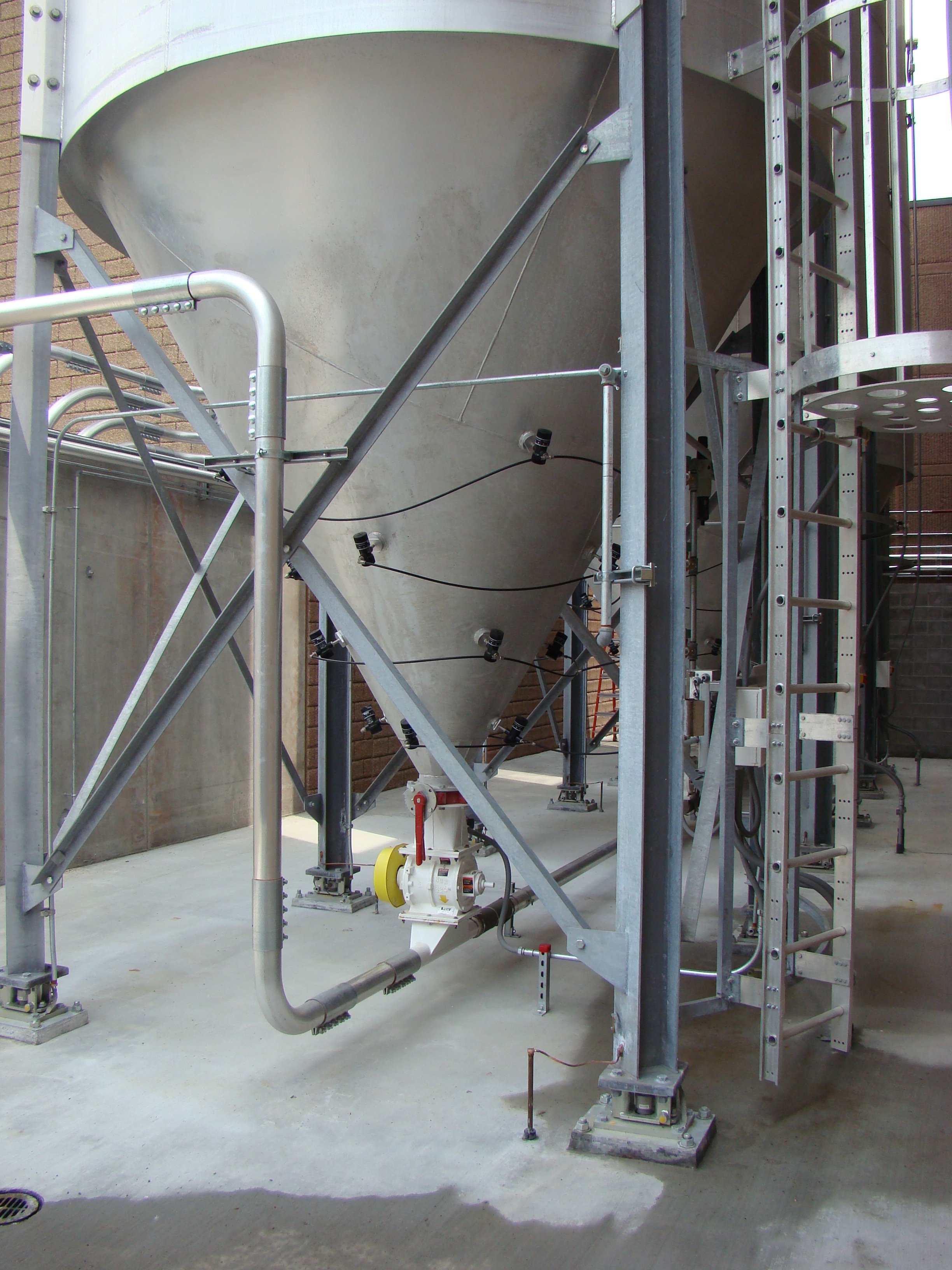
Conclusion: Better Plastic Pellet Storage Begins With Better Planning
Plastic pellet storage best practices start with understanding the product. From flow characteristics and density to refill frequency, usage rate, inventory control, and facility layout, the best storage decisions are made when manufacturers look at the full picture early.
When a silo is designed around the actual material and operating process, facilities are in a stronger position to reduce contamination, improve flow reliability, protect uptime, and control avoidable costs.
If you are evaluating options for plastic pellet storage, Imperial Industries can help you plan a silo solution built to your specifications, designed and built in-house, and customized to your product, layout, and inventory goals.
Need help selecting the right plastic pellet storage silo for your facility? Contact Imperial Industries to discuss your product flow, site layout, refill process, and inventory requirements.