

Hydraulic Hoist Tanks
Controlled dumping for faster unloading and safer handling
Hydraulic hoist tanks are built for operations that need to load, haul, and dump efficiently day-to-day. Hoist-based dumping gives you controlled unloading without relying on manual work-arounds, so handling is safer and more predictable in the field.
Imperial hydraulic hoist tanks are engineered and fabricated entirely in-house, with builds focused on stresses that come with repeated lifting cycles, daily route work, and demanding waste environments.
APPLICATIONS
& USE CASES
Hydraulic hoist tanks are commonly used for:
-
Septic and wastewater service operations where controlled dumping supports cleaner, safer unloading
-
Sludge and material hauling that demands dependable handling and consistent turnaround
-
Environmental services requiring frequent dumping and reliable performance under tough conditions
-
Operations needing fast load/unload cycles to keep crews moving and schedules intact
Configuration Options & Specs
Imperial hydraulic hoist tanks are configured to match your route needs, hauling requirements, and unload frequency. You choose the option that fits your needs instead of being forced into a one-size-fits-all solution.
Built Around Your Operation
Select the tank setup that supports your typical loads, dumping cadence, and service environment so your equipment works with your process, not against it.
Options That Support Field Efficiency
For routes with frequent stops, common build options can streamline daily handling, reduce cleanup time, and support more consistent unloading.
Features
Tank
- Three stage hoist
- ASME dished heads
- Full-length skids
- 20” top and rear manways
- 4” intake and 6” discharge ports
- 5” sight glasses (3)
Hose
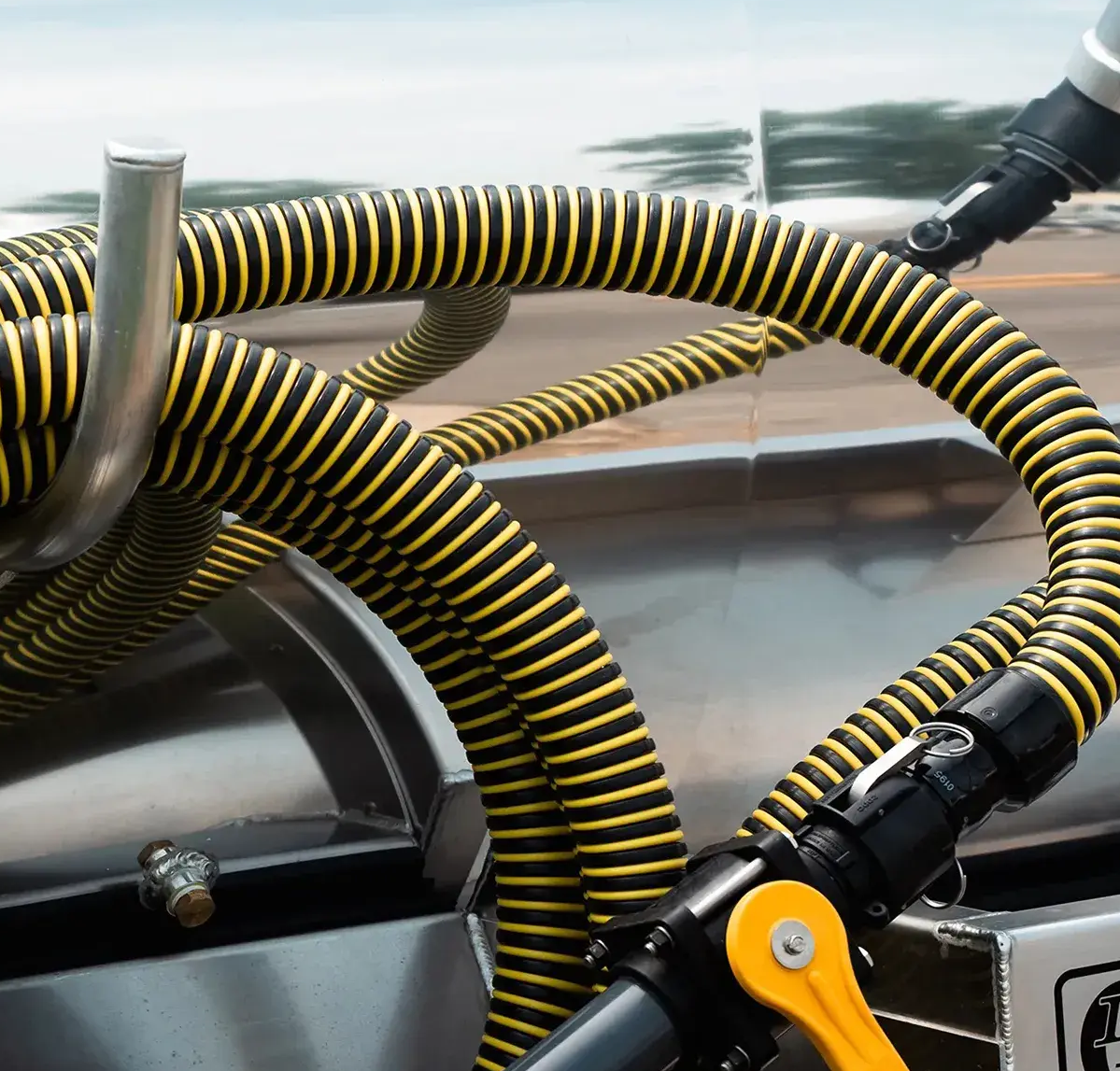
- 2 hose hooks
- 2 hose guards
- Rubber seals
Built for Hoist Work & Repeat Dumping
Hoist systems take stress in specific places, especially at lift interfaces, weld seams, and balance/loading zones. The Imperial process addresses those realities.
- Structural reinforcement for lifting and dumping stresses support repeat cycles, protect uptime, and avoid damage
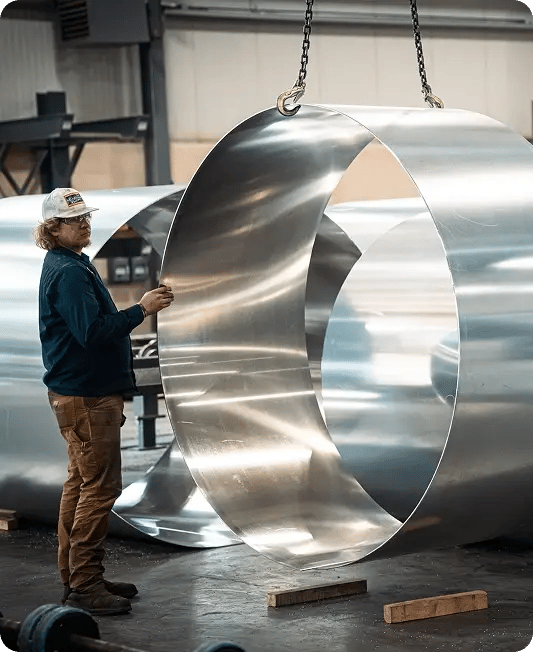
- Continuous welds and disciplined fabrication reduces cracking and common failure points
- Balanced design for stable hoist operation for more controlled dumping, steadier handling, and safer operation
- In-house engineering and fabrication supports repeatable builds and reliable performance
- Compliance-ready thinking for sanitation or waste handling ensures cleaner operation and dependable day-to-day use
Explore Related Septic Tanks & Trucks
Hydraulic Hoist Tanks FAQs
What is a hydraulic hoist tank?
A hydraulic hoist tank is a truck-mounted tank that can be raised/tilted by a hydraulic hoist to dump or discharge contents more easily through a rear/bottom outlet during unloading.
How do I choose the right hoist setup and capacity?
Match the hoist and hydraulic system to your load capacity and operating demands. Make sure the hoist is rated appropriately for the weight/geometry of what you’re lifting (capacity, bed length, overhang all matter).
What are the biggest safety considerations when operating or servicing hoist equipment?
Treat raised bodies/tanks as a serious hazard. Use the proper body prop/safety support and follow manufacturer safety procedures to prevent unintended movement or crushing injuries.
What maintenance should I expect for hydraulic hoist systems?
Regular inspection is key. Check pivot points, hoist components, hydraulic hoses, and general condition to catch common issues before they become failures.