

June 25, 2026
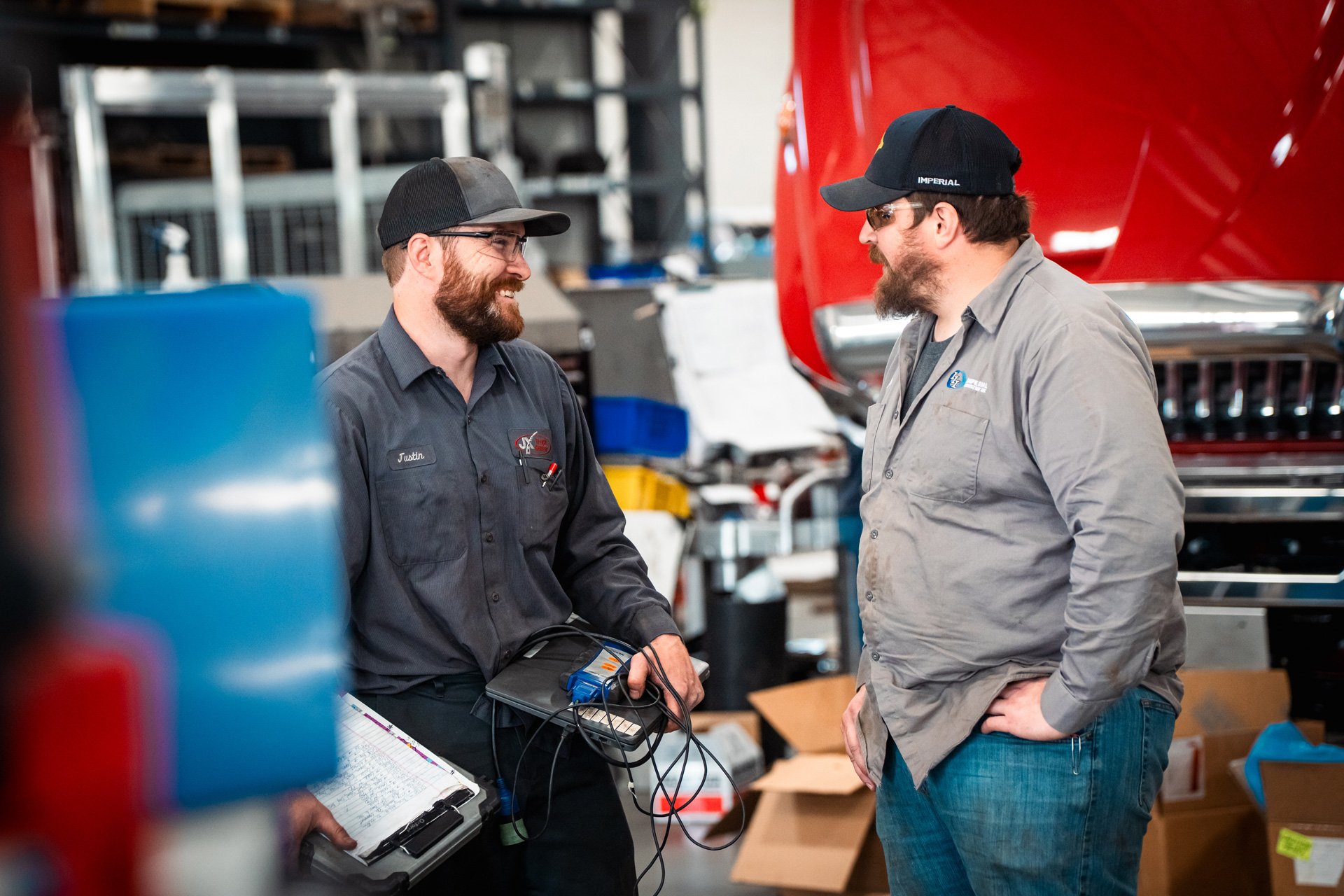
Fleet owners know that vacuum truck reliability is not just a maintenance issue. It affects route schedules, operator safety, customer commitments, and the total cost of ownership across every unit in service. A strong vacuum truck preventive maintenance checklist helps teams catch wear early, plan service with less disruption, and avoid preventable failures that can take a truck out of rotation at the wrong time.
In demanding sanitation, industrial, and environmental applications, vacuum trucks operate under tough conditions. Pumps, hoses, seals, valves, tanks, and running gear all face repeated stress from frequent cycling, road exposure, corrosive materials, and heavy daily use. That is why preventive maintenance should be treated as a structured program rather than a last-minute response to breakdowns.
This guide covers best practices for building a practical checklist, what fleet owners should inspect at different intervals, and common mistakes that can shorten equipment life.
Why preventive maintenance matters for vacuum truck fleets
A vacuum truck that looks fine on the outside can still have hidden wear that affects performance. Small issues such as a loose fitting, worn gasket, weak hose connection, or valve problem can quickly become larger repair events when they are missed during routine service.
A consistent preventive maintenance program helps fleet owners:
- Reduce unscheduled downtime
- Protect service capacity during busy periods
- Extend component life
- Support safer operation for drivers and technicians
- Improve maintenance planning and parts readiness
- Reduce the risk of more costly repairs later
For companies managing multiple units, maintenance consistency matters just as much as maintenance frequency. Standardized inspections, documented service intervals, and clear accountability make it easier to keep every truck operating at a dependable level.
Build your checklist around how the truck is actually used
Not every vacuum truck operates under the same conditions. A fleet serving septic routes may face different wear patterns than a truck handling industrial waste or municipal cleaning work. The best checklist reflects actual duty cycle, hauled material, operating environment, and frequency of use.
When building your maintenance process, consider:
- How many hours or routes each truck handles per week
- What materials the truck regularly carries or transfers
- Exposure to corrosive or abrasive environments
- Seasonal demands that increase usage
- Whether trucks operate on paved roads, mixed terrain, or rough job sites
- Whether the fleet includes older units with different service needs
This approach helps maintenance teams prioritize inspections where wear is most likely to show up first.
Daily vacuum truck inspection checklist
Daily checks should be fast, repeatable, and easy for operators to complete before the unit goes into service. These inspections are often the first line of defense against preventable downtime.
1. Walk around the truck and tank
Start with a visual inspection of the full unit. Look for:
- Fluid leaks under the truck
- Visible tank damage, dents, or cracking
- Loose hardware or mounting points
- Signs of corrosion on the tank, frame, or key connections
- Damage to access panels, hinges, and latches
A brief walkaround can identify obvious issues before they affect the day’s schedule.
2. Check hoses, fittings, and clamps
Hoses and fittings take repeated abuse in daily service work. Inspect for:
- Cuts, soft spots, blistering, or abrasion
- Loose clamps or damaged couplings
- Poor sealing at connection points
- Kinked hoses or signs of collapse
If hoses are stored in trays, confirm they are secured correctly and not rubbing against sharp edges or worn supports.
3. Inspect valves and seals
Valves and seals are common sources of maintenance problems. Look for:
- Leaks around seals and valve bodies
- Hardening, cracking, or wear in gaskets
- Handles or actuators that are sticking
- Incomplete closure or unusual resistance during operation
Minor seal issues can quickly turn into messier and more expensive service problems if they are ignored.
4. Verify pump and blower condition
Operators should watch for early warning signs such as:
- Unusual noise or vibration
- Slower vacuum performance than normal
- Heat buildup during operation
- Oil leaks or low lubricant levels
Any change in sound or performance should be documented and reviewed by maintenance staff.
5. Check lights, tires, and safety items
Daily road readiness matters just as much as tank performance. Confirm:
- Tires are in good condition and properly inflated
- Lights and signals are working
- Mirrors and cameras are clean and functional
- Safety equipment is present and accessible
- Steps, ladders, and handholds are secure
Weekly vacuum truck preventive maintenance checklist
Weekly checks allow technicians to go beyond basic pre-trip inspection items and look more closely at wear patterns.
1. Review vacuum performance trends
If operators have reported weaker suction, longer load times, or changes in unloading performance, use the weekly inspection to pinpoint the cause. Performance issues may trace back to:
- Air leaks in hoses or fittings
- Worn seals
- Pump or blower wear
- Restriction in lines or filters
- Valve issues affecting flow
Tracking changes over time is often more useful than reacting to a single complaint.
2. Inspect tank interior and cleanout areas when appropriate
Depending on the application, buildup inside the tank or connected components can affect performance and create maintenance headaches later. Look for:
- Residue buildup
- Corrosion
- Scaling
- Blockage near key openings or cleanout areas
A regular cleaning routine helps crews spot wear before it is hidden by residue or material buildup.
3. Check the PTO and drive components
Power transfer components are critical to vacuum truck operation. Weekly inspections should confirm:
- PTO engagement is smooth
- Mounting hardware is tight
- Drive components show no unusual wear
- Guards and protective covers are intact
If engagement feels inconsistent or noisy, it should be addressed before the issue affects other connected systems.
4. Inspect hydraulic and electrical systems
For trucks using hydraulic or electrically controlled functions, inspect for:
- Damaged lines or wiring
- Chafing or rubbing points
- Leaks at fittings and cylinders
- Corrosion at connectors
- Slow or inconsistent system response
Small electrical or hydraulic faults can cause frustrating intermittent issues that are harder to diagnose later.
Monthly and scheduled service checklist items
Monthly inspections give teams time to complete deeper evaluations and planned service tasks.
1. Lubricate components according to service recommendations
Routine lubrication helps reduce wear on moving parts and supports more dependable operation. Follow the manufacturer’s service schedule for:
- Bearings
- Hinges
- Linkages
- Driveshaft-related points
- Other specified grease points
Skipping lubrication intervals can shorten component life even if the truck appears to be operating normally.
2. Inspect structural areas and welds
Fleet owners should look closely at:
- Tank mounts
- Frame attachment points
- Hose tray supports
- Ladder and platform connections
- Areas exposed to repeated vibration
For heavy-use fleets, these inspections help identify fatigue before it creates a larger repair or safety concern.
3. Check brakes, suspension, and chassis condition
The truck chassis supports the full demands of daily service, especially when loads, stops, and route conditions vary. Include:
- Brake condition
- Suspension wear
- Alignment concerns
- Frame condition
- Fastener integrity
A preventive maintenance checklist should cover both the vacuum system and the truck itself.
4. Replace wear items before failure
A strong program does not wait until parts fail in the field. Based on condition and service history, plan replacement of common wear items such as:
- Gaskets
- Seals
- Hoses
- Clamps
- Filters
- Other frequently used service parts
Keeping exact-match replacement parts available can help reduce downtime and simplify maintenance planning.
Common vacuum truck maintenance mistakes to avoid
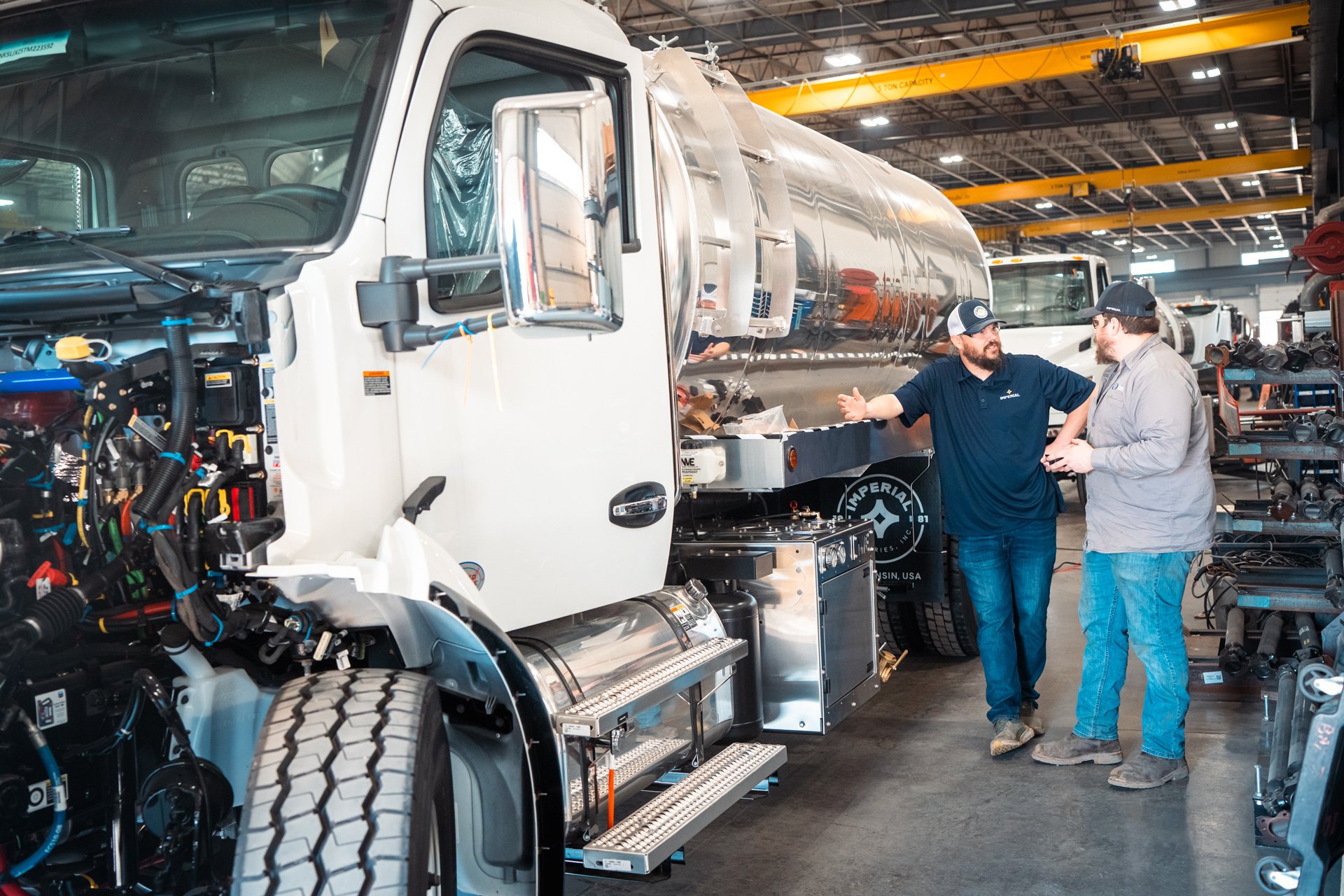
Even experienced fleets can lose time and money when preventive maintenance is inconsistent. Common issues include:
Treating inspections as a paperwork exercise
Checklists only help when inspections are done carefully and findings are acted on. If operators are rushing through forms without looking closely, problems will be missed.
Ignoring minor leaks or performance changes
Small leaks, weak suction, or unusual noise often signal early wear. Delaying repairs can allow damage to spread to connected components.
Using inconsistent service standards across the fleet
If each technician or operator follows a different process, maintenance quality becomes harder to manage. Standard checklists, service intervals, and reporting expectations help create consistency.
Waiting too long to order parts
Planned maintenance becomes much harder when basic service parts are not available when needed. For fleets with similar units, it helps to keep common wear items on hand.
Overlooking operator feedback
Operators usually notice performance changes first. Their notes on noise, response time, suction strength, or handling can provide useful early warning signs.
Best practices for managing a preventive maintenance program
A checklist is only one part of an effective maintenance strategy. Fleet owners often get better results when they also:
- Standardize inspection intervals across similar units
- Train operators on what to look for and how to document issues
- Track repeat failures by component or truck
- Schedule maintenance around route demands when possible
- Review maintenance trends before peak service seasons
- Work with trusted parts and service resources when deeper issues appear
For growing fleets, documented maintenance practices also help support smoother technician onboarding and more predictable service planning.
When it may be time to review truck design or build quality
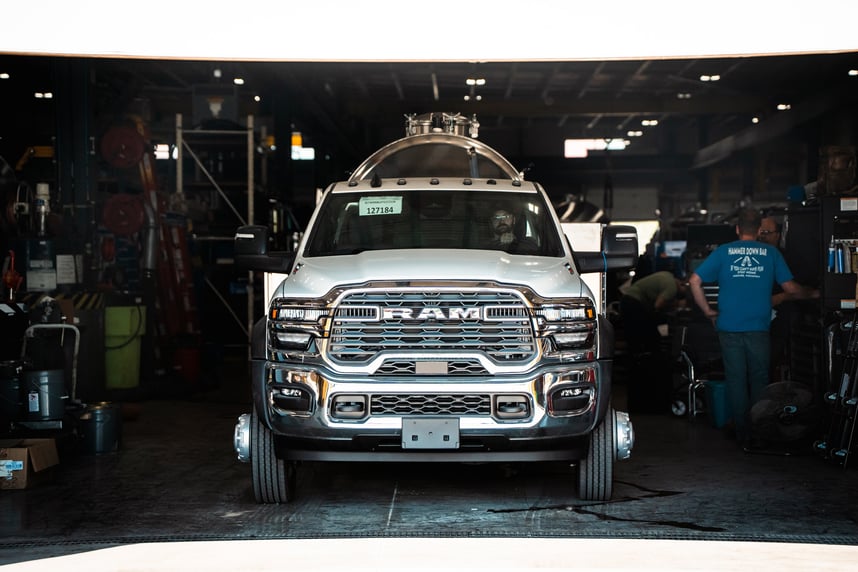
If the same maintenance issues keep appearing across a truck’s service life, the problem may not be limited to routine upkeep. Repeated failures can sometimes point to equipment that is not well-matched to the application, components that wear too quickly in harsh conditions, or designs that make service more difficult than it should be.
Fleet owners evaluating long-term performance often look for equipment with:
- Heavy-duty construction for demanding service environments
- Serviceable layouts that help technicians access key components
- Consistent fabrication quality
- Support beyond delivery for parts and technical guidance
- Configurations built to actual route and material requirements
These factors can help improve reliability over time and reduce friction from preventable maintenance.
Frequently asked questions about vacuum truck maintenance
How often should a vacuum truck be inspected?
Daily walkarounds and operator checks should happen before the truck goes into service. Weekly and monthly inspections should go deeper, with scheduled service intervals based on how the truck is used, the materials it handles, and manufacturer recommendations.
What parts wear most often on a vacuum truck?
Wear patterns vary by application, but fleets commonly monitor hoses, clamps, gaskets, seals, valves, filters, and components tied to the pump, blower, PTO, and related systems.
Why is preventive maintenance important for fleet owners?
Preventive maintenance helps reduce downtime, improve planning, protect equipment life, and support safer, more dependable fleet performance.
Should fleet owners keep replacement parts in stock?
For many operations, yes. Keeping frequently used service parts available can help reduce delays and make scheduled maintenance easier to complete on time.
Final takeaway
A dependable vacuum truck preventive maintenance checklist helps fleet owners move from reactive repairs to a more controlled maintenance program. When inspections are consistent, documentation is clear, and wear items are addressed early, fleets are better positioned to protect uptime, support operators, and keep trucks ready for demanding work.
If your team is evaluating new equipment, replacement parts, or service support for demanding vacuum truck applications, Imperial Industries can help you review the right fit for your operation.
Need help planning the right vacuum truck configuration, parts strategy, or long-term fleet support? Contact Imperial Industries to start a conversation.

Review Your Setup
Recurring issues may point to a better setup.