

Portable Restroom Trucks

Durable, reliable solutions for mobile sanitation environments

TRUCKS DESIGNED FOR MOBILE SANITATION WORK

Portable restroom trucks are built for mobile sanitation operations where equipment reliability directly affects service schedules and customer commitments. Imperial Industries builds portable restroom trucks in-house for consistent quality and dependable field performance, including:

  • High-volume event servicing
  • Temporary sanitation at construction sites
  • Seasonal or remote location sanitation
  • Municipal/park district waste management
  • Portable sanitation service trucks or trailers

Practicality Meets Performance

Portable sanitation operations need tanks that are practical to run, service, and standardize across a fleet.

Configured by need, common feature areas on Imperial Industries portable restroom tanks include:

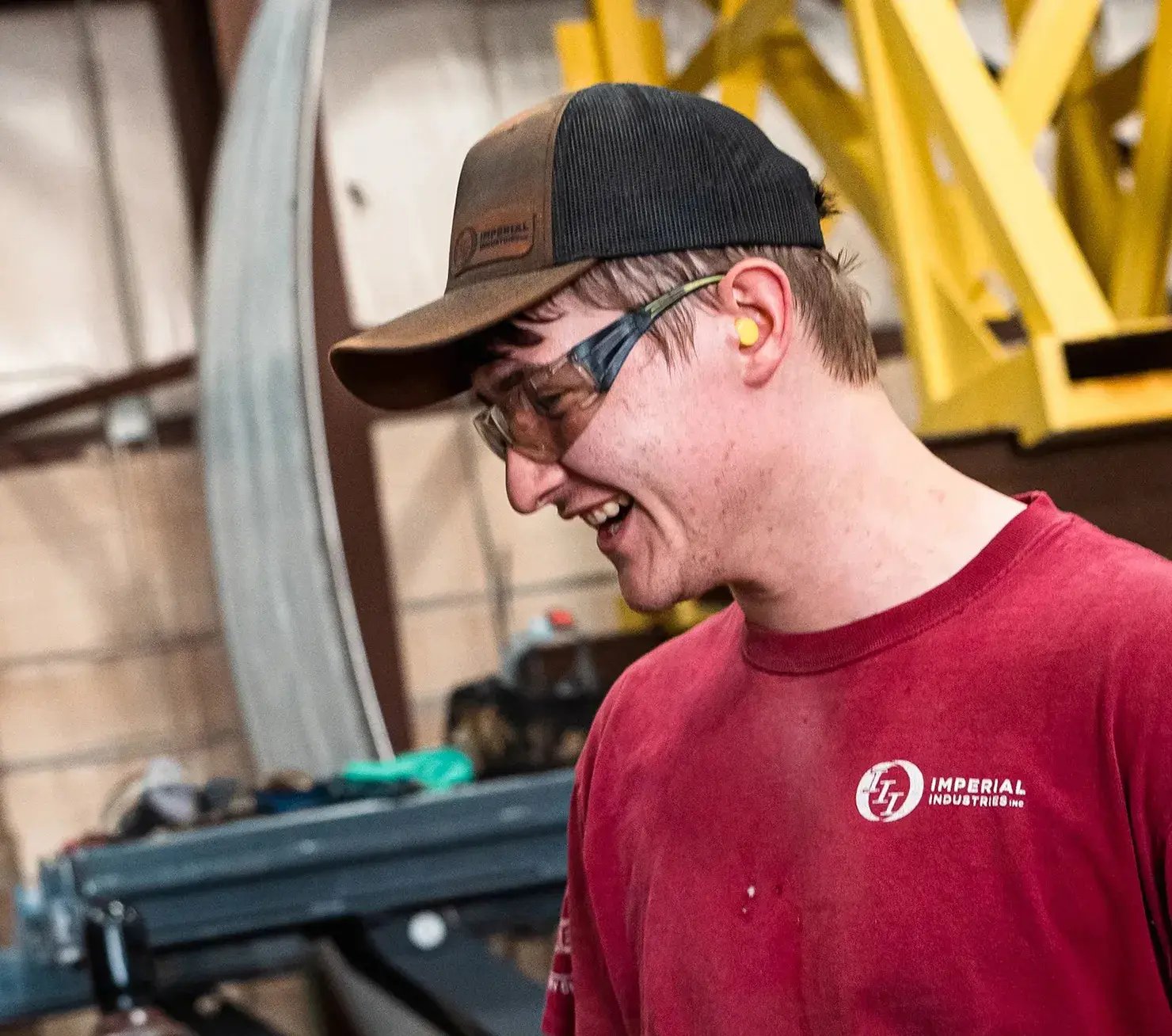
industrial-worker-smiling-safety-gear
  • Service-friendly access and layout choices that support faster day-to-day work
  • Reinforced build areas designed to handle frequent transport and repeated use
  • Consistent fabrication standards that support fleet uniformity
  • Options that align with regulated waste environments and standards
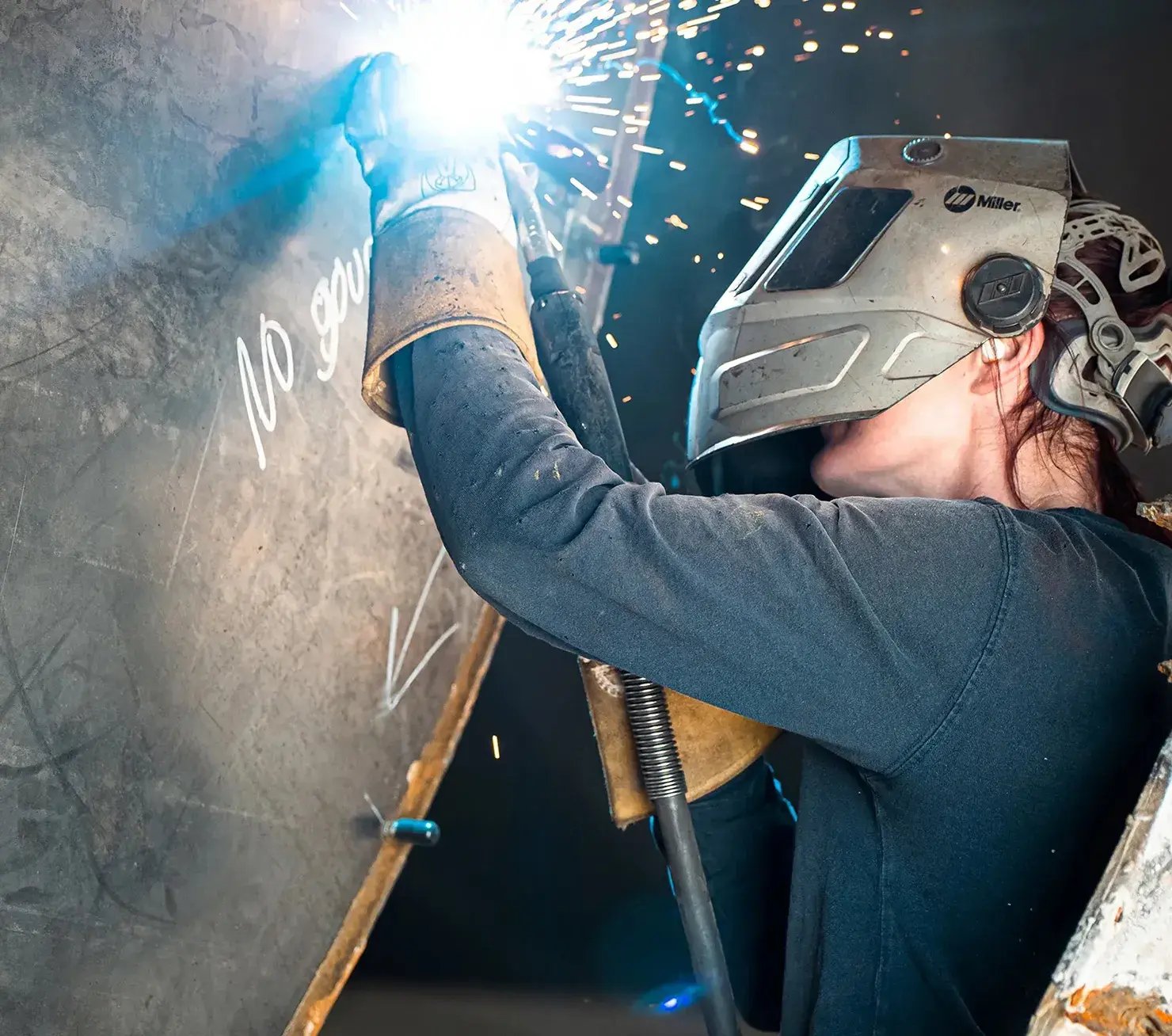
In-house Fabrication Eliminates Pain Points

person-welding-metal-with-bright-sparks

Imperial Industries in-house fabrication is specially developed to reduce common frustrations associated with mobile sanitation equipment:

  • Leak prevention and structural durability: Continuous welds, quality steel, and engineered reinforcement help reduce cracks and leaks
  • Ease of service and reliability: Focused engineering results in fewer field failures and smoother maintenance routines
  • In-house fabrication: Consistency that helps maintain uniformity across fleets, which is imperative for multi-unit operators
  • Predictable lead times: Accommodate growth and seasonal ramp-ups without unnecessary delays
  • Compliance readiness: Builds designed for regulated waste handling environments
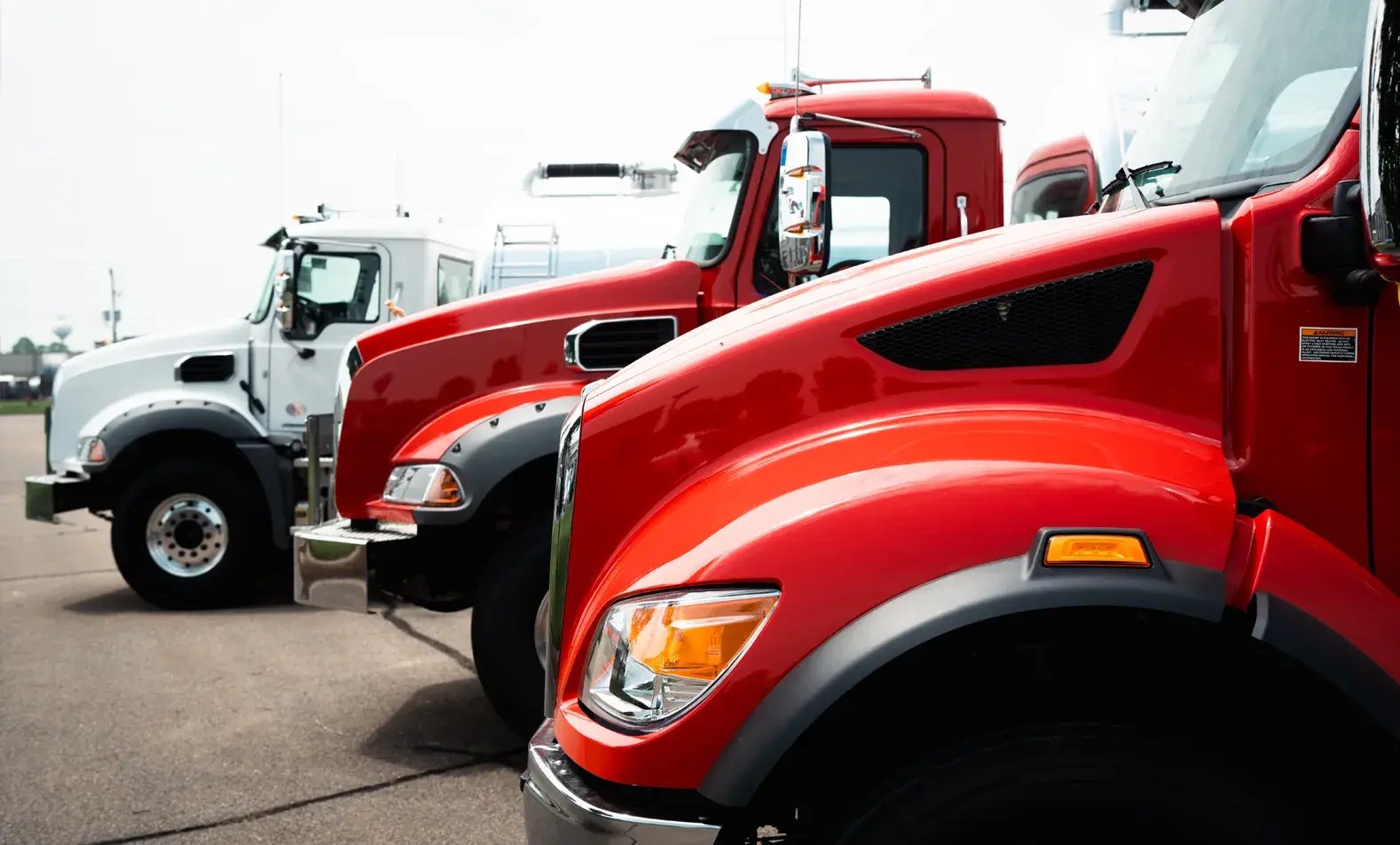
Available Inventory

row-of-pumper-trucks

We have a wide selection of ready-to-purchase units listed on Truck Paper, a platform serving equipment buyers and sellers in the construction, agriculture, trucking, and aviation industries.

Browse Truck Paper Listings

Portable Restroom Tanks FAQs

What is a portable restroom tank and what does it do?

A portable restroom tank is a sealed holding tank that stores waste and deodorizing/chemical solution until it’s serviced. It’s designed to prevent leaks, odors, and spills during use and transport.

How do you choose the right tank capacity for a portable restroom route?

Capacity selection depends on event/crew size, service frequency, climate, expected usage, and route logistics. Higher usage and longer intervals between service typically require larger capacity or more frequent pumping.

What materials are portable restroom service tanks commonly made from, and why?

For portable restroom service and waste hauling, tanks are typically made from aluminum or steel for strength and long-term durability. Aluminum offers lighter weight and corrosion resistance, while steel delivers maximum toughness and impact resistance for rugged use. The best choice depends on route conditions and payload needs.

How often should portable restroom tanks be pumped and cleaned?

Frequency depends on usage and local regulations. Tanks should be serviced before they reach capacity and cleaned on a schedule that prevents buildup, odor problems, and clogged fittings — often more frequently in hot weather or high-traffic sites.

What’s the difference between a holding tank and a pump-out tank?

A holding tank stores waste on-site for periodic pump-out. A pump-out tank may refer to the same concept, but in some operations it also implies a tank designed for faster service connections and easier cleaning — terminology can vary by region.

What fittings and connections should you standardize on for service efficiency?

Standardizing hose connection sizes, valve types, port locations, and venting can speed service and reduce leaks. Route operators often choose configurations that match existing equipment to minimize adapters and downtime.

What are common maintenance items and failure points?

Typical issues include cracked fittings, worn gaskets, damaged valves, clogged vents, and chemical scaling. Routine checks and replacing wear parts early can prevent spills and service delays.

What regulations affect portable restroom waste handling and transport?

Rules vary, but may include licensed hauling, approved disposal sites, documentation/manifests, spill prevention, and transport requirements. Operators should follow local environmental and health regulations for storage, pumping, and disposal.

Financing Options

Reduce purchase friction and keep projects moving without overcomplicating the buying process
Explore Financing Options

Ready to Price a Build?

Let’s talk! Share a few details and one of our equipment experts will follow up to discuss your needs and next steps.
Request a Quote