

October 14, 2026
Buying a used vacuum truck can look like a smart way to add capacity quickly, especially when budgets are tight or demand is rising. But before you commit, it is important to understand what you are really buying. A truck that appears serviceable on the surface may come with hidden wear, compliance concerns, and repair needs that affect uptime, safety, and long-term cost.
If you are researching what to inspect before buying a used vacuum truck, start with a disciplined review of the tank, vacuum system, chassis, controls, documentation, and service history. A careful inspection can help you avoid costly surprises. Just as important, it can clarify when investing in a new unit may be the more predictable choice for your operation.
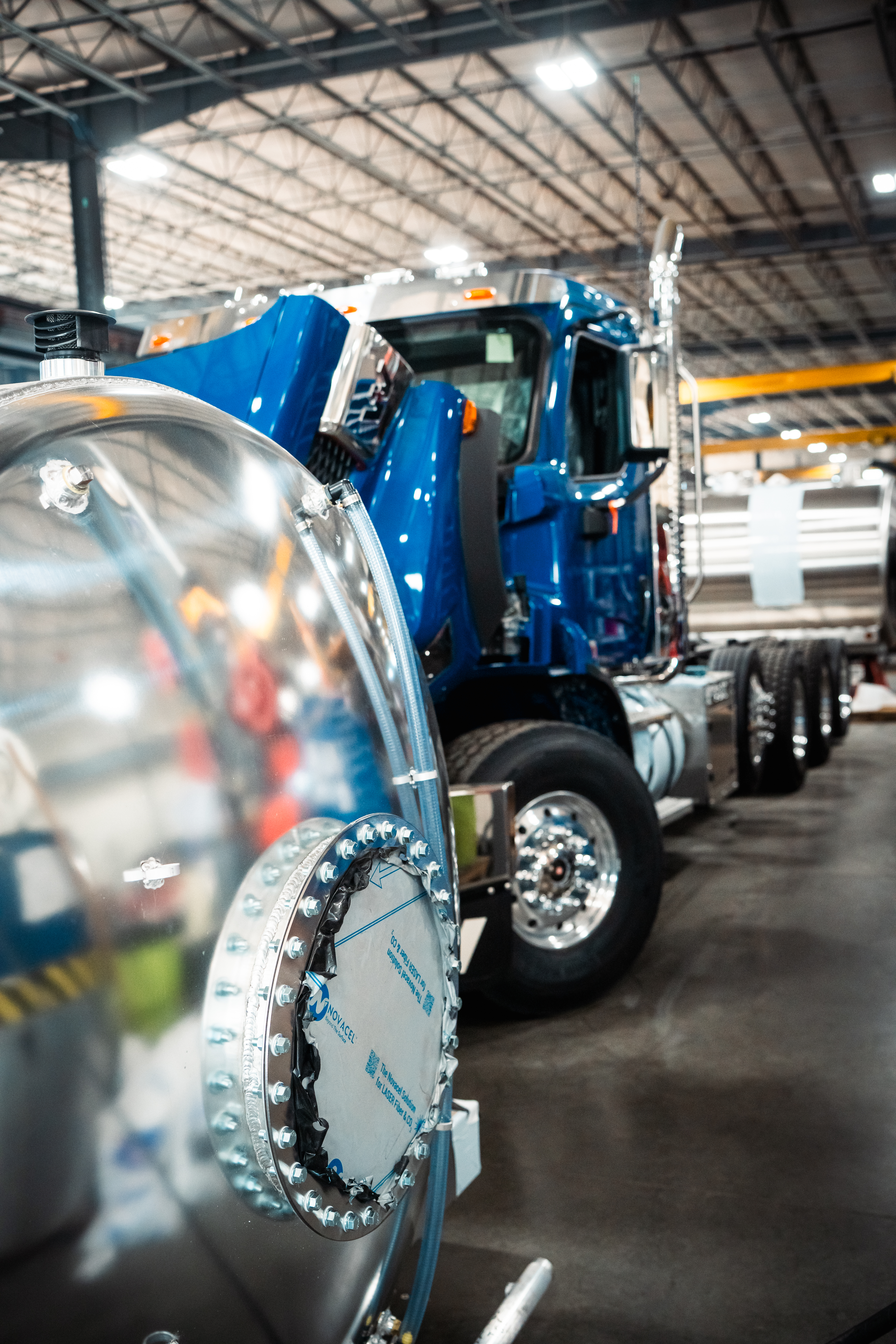
Start With the Tank and Structural Condition
The tank is one of the most important areas to inspect because it carries the workload and often shows the cumulative effect of years of service. Vacuum trucks operate in demanding environments, and repeated loading, unloading, road exposure, chemical contact, and weather all contribute to wear.
When evaluating a used unit, inspect for:
- Corrosion inside and outside the tank
- Pitting, scaling, or soft spots in high-exposure areas
- Questionable weld repairs or patchwork
- Dents, deformation, or signs of structural stress
- Damage around mounting points, skids, or supports
- Wear on rear doors, seals, hinges, and locking mechanisms
If the tank has been used in harsh waste conditions or inconsistent maintenance environments, deterioration may not be immediately obvious. Surface appearance alone does not tell the full story. A truck may still operate, but structural issues can shorten service life and increase repair costs quickly.
This is one reason many fleet owners look beyond the purchase price. A lower upfront cost can be outweighed by lost time, repair work, and uncertainty about how the equipment was used before it reached your yard.
Inspect the Vacuum System for Wear and Performance Risk
A used vacuum truck should also be evaluated for the condition of its core operating system. Blowers, pumps, hoses, valves, fittings, and controls all affect how reliably the truck performs in the field.
Key inspection points include:
Blower or Pump Condition
Check for signs of excessive wear, unusual noise, vibration, oil leaks, or poor maintenance. If the blower or pump is near the end of its service life, replacement part costs can change the economics of the purchase very quickly.
Valves, Gaskets, and Seals
Worn gaskets, damaged valves, and cracked fittings are common maintenance issues on vacuum equipment, our guide to vacuum truck maintenance best practices covers what to monitor over time. These problems can reduce efficiency, create leaks, and increase downtime.
Hose Trays and Hose Handling Areas
Inspect hose storage and support areas for damage, missing protectors, weak mounts, and signs of rough use. These details matter because they affect daily operator efficiency and long-term serviceability.
PTO and Control Operation
Make sure the PTO engages properly and that driver controls and system functions operate as expected. Delayed response, inconsistent control behavior, or electrical issues can be difficult to diagnose after purchase.
A used truck may technically run, but that does not mean it will perform reliably under real service conditions. The right question is not just, “Does it work today?” It is, “Will it hold up under the demands of our routes, crews, and service schedule?”
Review the Chassis, Drivetrain, and Running Gear
The truck chassis is just as important as the tank package. Even if the vacuum equipment looks acceptable, chassis-related repairs can become a major cost center after the sale.
Inspect the following closely:
- Engine condition and maintenance records
- Transmission performance
- PTO integration and driveline condition
- Brake system wear
- Suspension and frame condition
- Tire wear patterns
- Axle ratings and compatibility with the application
- Signs of heavy overloading or hard use
Uneven tire wear, frame rust, fluid leaks, or deferred maintenance can indicate larger operational issues. If the truck was used hard or maintained inconsistently, the chassis may require attention sooner than expected.
For operations managers and fleet owners, that creates a planning problem. Unexpected downtime does not only affect repair budgets. It can disrupt routes, reduce revenue days, and force crews to work around unreliable equipment.
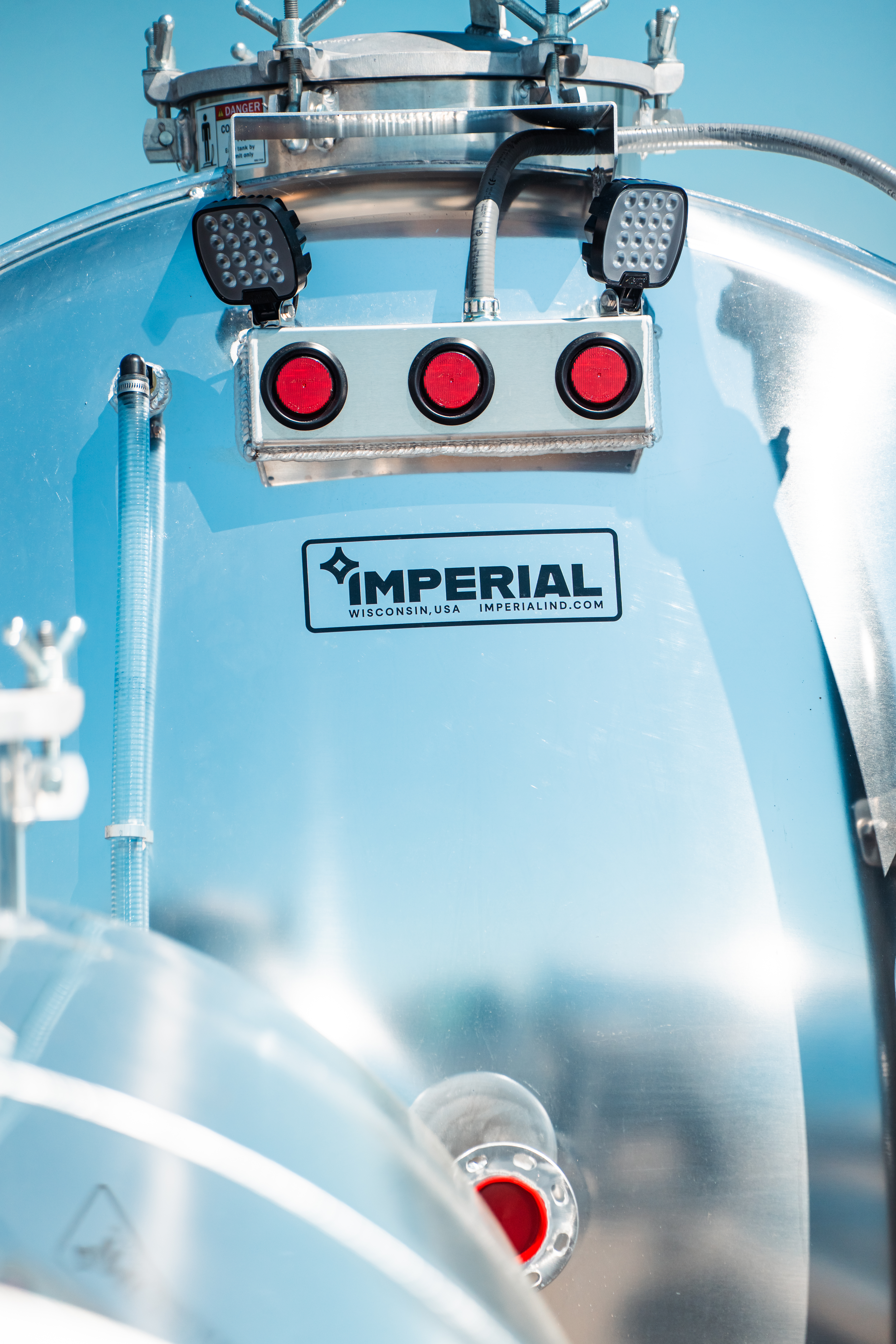
Check Compliance, Documentation, and Safety Items
A used vacuum truck should never be evaluated on mechanical condition alone. Documentation and compliance readiness matter, especially for operators working in regulated environments or customer contracts where inspections and recordkeeping are important.
Review:
- VIN and unit identification details
- Tank specifications and capacity information
- Any available test or inspection records
- Maintenance logs
- Repair history
- Operator and safety equipment condition
- Lighting, alarms, and control labels
- Visible compliance-related components and markings
Missing records do not always mean a truck is a bad purchase, but they do increase risk. Gaps in documentation make it harder to verify what has been repaired, replaced, modified, or deferred.
For many buyers, this is where the decision starts to shift. A used truck may seem attractive at first, but if its history is incomplete, you may be inheriting uncertainty that affects operations from day one.
Look for Signs of Deferred Maintenance
Many used vacuum trucks come to market because they are aging out of a fleet, no longer fit a service model, or need more attention than the current owner wants to invest in. That does not automatically make them a poor choice, but it does mean deferred maintenance should be taken seriously.
Watch for warning signs such as:
- Fresh paint covering problem areas
- Recently cleaned surfaces that hide leaks or corrosion
- Inconsistent repairs across components
- Mixed part quality or non-matching replacements
- Excessive wear in controls or access points
- Multiple small issues that suggest larger neglect
One isolated repair is normal. A pattern of shortcuts is not. When several systems show signs of wear at once, the truck may require more immediate investment than the sale price suggests.
Calculate the Real Cost, Not Just the Purchase Price
One of the biggest mistakes buyers make when purchasing used equipment is focusing too heavily on acquisition cost instead of comparing it with new vacuum truck financing options and total cost of ownership.
When evaluating a used vacuum truck, consider:
- Immediate repair costs after purchase
- Parts availability
- Downtime risk
- Labor required to bring the truck into service
- Future maintenance needs
- Reduced efficiency from older systems
- Operator frustration and service interruptions
- The cost of replacing the unit sooner than planned
A lower-priced truck can become expensive if it needs ongoing repair work or cannot support dependable daily use. For businesses that rely on vacuum trucks for scheduled service, emergency response, or customer commitments, reliability often matters more than the lowest initial price.
When Buying New May Be the Better Decision
Used equipment can make sense in some situations, especially when the truck is well documented, properly maintained, and closely matched to the intended application. But many buyers discover that the inspection process reveals too many unknowns.
That is where a new truck becomes easier to justify.
A new vacuum truck offers advantages that are difficult to replicate in the used market:
- Built to your specifications for your actual application
- Known equipment history from day one
- Modern components and cleaner integration
- Better alignment with operator needs and fleet standards
- Fewer unknowns around wear and structural condition
- Predictable delivery and startup planning
- Support beyond delivery from the team that builds the equipment
For companies that cannot afford delays, failures, or compliance surprises, a new unit often provides more confidence and long-term reliability. Instead of adapting your operation to the limitations of used equipment, you can invest in equipment designed around your service needs.
Imperial Industries designs and builds vacuum tanks and trucks in-house for demanding sanitation, industrial, and environmental work. That single-source accountability helps reduce uncertainty during the buying process and gives customers direct access to people who understand the equipment from design through service.
Final Thoughts on What to Inspect Before Buying a Used Vacuum Truck
If you are evaluating what to inspect before buying a used vacuum truck, focus on more than visible condition. Review the tank structure, vacuum system, chassis, compliance details, maintenance history, and likely total cost of ownership. A used truck that looks like a bargain can become costly if it brings hidden wear, downtime risk, and unclear service history.
For many fleets, the inspection process leads to a clear conclusion: if reliability, compliance readiness, and long-term performance matter, buying new is often the stronger investment. A purpose-built truck can help you operate more efficiently, reduce surprises, and put dependable equipment into service with greater confidence.
If you are comparing used equipment to a new build, talk with Imperial Industries about a vacuum truck designed for your application. Our team can help you weigh inspection risk, long-term operating cost, and the advantages of a new unit built in-house for demanding environments.